
Brands often approve an online reseller without knowing what happens to their products after the pallet leaves the dock. This article walks through the path an authorized reseller’s inventory takes to Amazon’s warehouses, and the checkpoints that keep the product, its packaging and its paper trail intact.
Step 1: Goods Ship to a Prep Center, Not a Home Garage
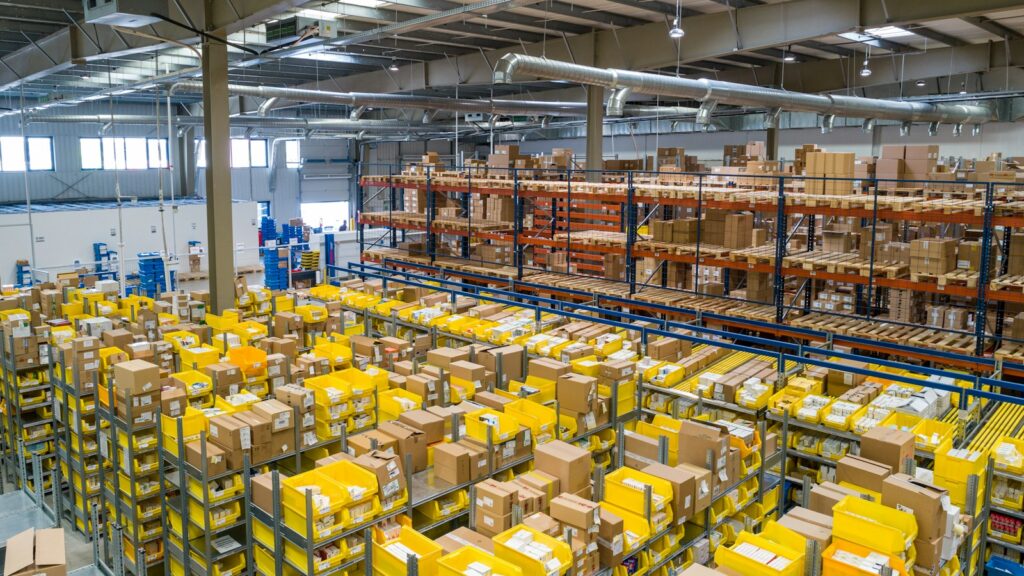
Professional resellers rarely receive wholesale inventory at a residence. Instead, orders ship to a third-party prep center: a warehouse that receives cartons, checks them against the purchase order, and prepares each unit to Amazon’s requirements. Prep centers in Delaware are popular because the state has no sales tax and sits within a day’s drive of several Amazon fulfillment centers.
For a brand, this is good news. A prep center is a commercial receiver with a loading dock, business hours and a named contact, which simplifies freight and reduces damaged deliveries.
Step 2: Receiving and Inspection
On arrival, the prep center counts units, compares them to the invoice, and photographs any carton damage. Short shipments or damage are reported to the reseller the same day so the supplier can be contacted while the carrier claim window is open. This is the first point where the invoice and the physical goods are tied together.
Step 3: Amazon Prep Requirements
Amazon has specific preparation rules that depend on the product type. Common requirements include:
- FNSKU labels. A scannable barcode that links each unit to the reseller’s listing. It is usually applied over or next to the UPC without covering safety or regulatory text.
- Poly bagging for liquids, powders, textiles and anything with an opening, with a suffocation warning printed on the bag.
- Bubble wrap or boxing for fragile or glass items.
- Expiration-date labeling for consumables, with a minimum remaining shelf life on arrival.
- Sold-as-set labels when multiple units are bundled as one listing.
None of these steps alter the product or the brand’s retail packaging. Prep adds an outer layer; it does not open, relabel or repackage the brand’s own box. Brands that want a particular prep standard, for example “do not cover the batch code”, can state it in their reseller terms and a good reseller will pass it to the prep center as a standing instruction.
Step 4: Shipment Creation and Carrier Pickup
The reseller creates an inbound shipment plan in Seller Central. Amazon assigns destination fulfillment centers, and the prep center packs cartons, prints the carton labels and hands them to the carrier. Amazon’s partnered carriers (usually UPS for small parcel) scan each carton, so there is a tracking record from the prep center to the fulfillment center.
Step 5: Records That Preserve Chain of Custody
A responsible reseller keeps a file for every purchase that links the supplier to the sale:
- The supplier invoice with the supplier’s name, address, the reseller’s legal name, the product identifiers and quantities.
- The prep center’s receiving report and photos.
- The Amazon shipment ID and carrier tracking.
- Amazon’s received-quantity confirmation.
If Amazon ever asks the reseller to prove where a product came from, this file answers the question in minutes. If a brand ever needs to trace a unit, the same file shows exactly which supplier shipment it belonged to.
Why This Matters to Brands
Counterfeit and grey-market complaints usually come from inventory with no traceable origin. A reseller that uses a professional prep center, follows Amazon’s prep rules and keeps a complete record is the opposite of that risk. When you evaluate a new online reseller, ask how their inventory is received and prepared. The answer tells you a great deal about how they will treat your brand.
Frequently Asked Questions
Does FBA prep change my product’s packaging?
No. Prep adds an FNSKU label and, where required, an outer poly bag or protective wrap. The brand’s own retail packaging is not opened, relabeled or altered.
Can a brand set prep rules for its resellers?
Yes. Brands often specify label placement, bagging preferences or minimum remaining shelf life in their reseller terms. Professional resellers pass those instructions to their prep center.
Why do resellers use prep centers in Delaware?
Delaware has no sales tax, which simplifies wholesale purchasing, and it is close to several Amazon fulfillment centers, which keeps inbound freight short and inexpensive.
Related Reading
- Amazon FBA Wholesale Distribution: From Brand Approval to Marketplace Delivery
- Amazon Wholesale Invoice Requirements: A Practical Seller Checklist
- Resale Certificates for Out-of-State Online Retailers: A Guide for Brands and Distributors
- Damaged or Short Wholesale Shipment? What to Do in the First 48 Hours
Work With an Authorized-Source Retailer
MUEENHAIDER LLC purchases only from brands and their authorized distributors, follows MAP and channel policies, and keeps invoice-traceable records for every unit we sell. If you are a brand or distributor evaluating a new online reseller, we are happy to share our documents and answer questions.