
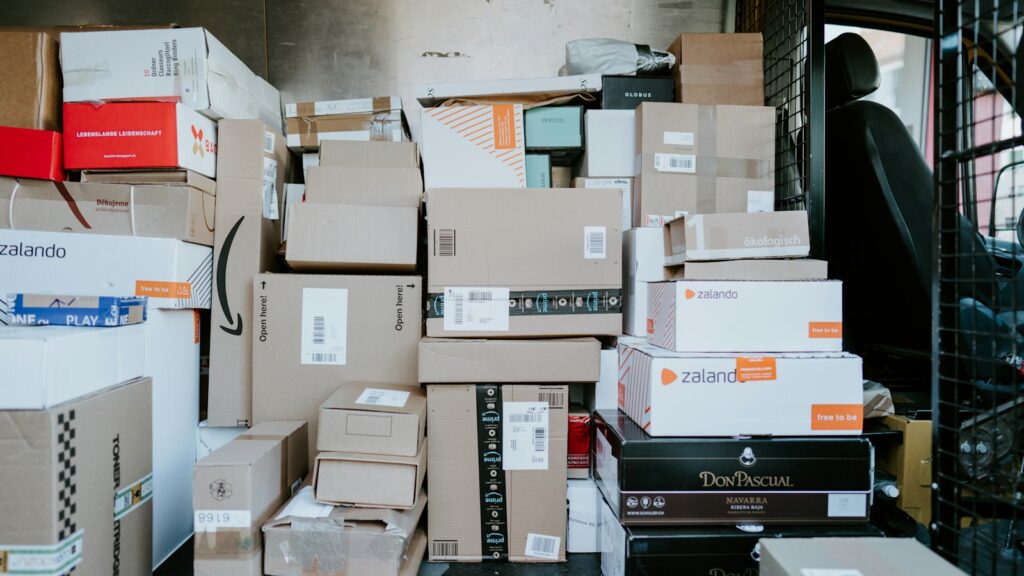
Every wholesale order has to land somewhere before it reaches Amazon. For a new online retailer the choice usually comes down to two options: a third-party prep center or a space of your own. Getting the prep center vs own warehouse decision right early saves money, protects your supplier relationships and keeps inventory moving.
What Each Option Really Means
A prep center is a commercial warehouse that receives your supplier shipments, checks them, applies Amazon labels and packaging, and sends the units on to Amazon fulfillment centers. You pay per unit and per service.
An own warehouse can be anything from a rented storage unit to a leased industrial space. You or your staff do the receiving and prep yourself.
Why Most New Wholesale Sellers Start With a Prep Center
- A commercial receiving address. Suppliers ship freight to a dock with business hours, not a residence.
- Amazon prep knowledge. Labeling, poly bagging and carton rules change; a good prep center keeps up with them.
- No fixed costs. No lease, no equipment, no staff while volumes are small.
- Works for a remote operator. The business can run from anywhere because the physical work happens at the center.
When Your Own Space Starts to Make Sense
- Per-unit prep fees have grown larger than the cost of rent and labor.
- You need more control over inspection, bundling or storage of slower-moving stock.
- You or a trusted team member can be on site every day.
Until those conditions are met, a warehouse is usually a fixed cost that slows a new business down.
How to Compare the Costs
Add up a typical month: units received, units prepped, extra services such as bagging or bundling, storage, and outbound shipping to Amazon. Compare that total with what a space would cost, including rent, utilities, insurance, supplies and your own time. Run the numbers again every few months as volume grows.
A Checklist for Choosing a Prep Center
- Receiving reports with counts and photos on the day freight arrives.
- A clear damage and shortage process, so supplier and carrier claims can be filed in time.
- Amazon FBA experience with your product types, including bagging and expiration-date rules.
- Transparent pricing with no surprise minimums.
- Insurance covering inventory while it is in their care.
- Response time: a named contact who replies within a business day.
- Location that fits your sales tax situation and is close to Amazon fulfillment centers.
Tell Your Suppliers How Receiving Works
Brands like to know where their products go. Name the prep center as your receiving and fulfillment partner on applications, and never present it as your office. Our guide to how authorized resellers prepare inventory for FBA explains what happens at the prep stage.
Frequently Asked Questions
Is it acceptable to give a supplier a prep center address?
Yes, as a ship-to or receiving address, labelled honestly as your receiving partner. It should not be presented as your business office.
How much does a prep center cost?
Pricing varies by provider and volume. Many charge per unit for receiving and labeling, plus extra for bagging, bundling and storage. Ask for a written price list before your first order.
Can I switch prep centers later?
Yes. Update your ship-to with suppliers, let any stock in transit arrive first, and keep receiving records from both centers.
Related Reading
- How Authorized Resellers Prepare Inventory for Amazon FBA
- Your First Wholesale Order: A 12-Point Checklist
- Opening Wholesale Accounts as a Non-Resident Owner of a US LLC
- Damaged or Short Wholesale Shipment? What to Do in the First 48 Hours
Work With an Authorized-Source Retailer
MUEENHAIDER LLC purchases only from brands and their authorized distributors, follows MAP and channel policies, and keeps invoice-traceable records for every unit we sell. If you are a brand or distributor evaluating a new online reseller, we are happy to share our documents and answer questions.